Grocery prices keep going up, but your budget hasn't moved. You want to feed your family well — real food, not just ramen and frozen burritos — but it feels like that requires spending $200+ per week.
It doesn't. With some smart planning, a few key strategies, and a willingness to cook at home, you can eat well on about $75 per week for two people (or roughly $125–150 for a family of four). Here's how.
The Budget Meal Planning Mindset
Before we talk about recipes and grocery lists, let's talk about the mindset shift that makes budget meal planning work:
You're not depriving yourself. Budget cooking isn't about eating less or eating worse. It's about being intentional — choosing ingredients that give you the most flavor and nutrition for your dollar.
You're investing time to save money. Convenience foods cost more because someone else did the prep work. When you meal plan and cook at home, you're trading a bit of time for significant savings.
You're reducing waste to zero. The average household throws away 30–40% of the food they buy. When every ingredient has a purpose in your plan, that waste disappears — and so does the money you were throwing in the trash.
7 Strategies That Actually Work
1. Plan Around Cheap Proteins
Protein is usually the most expensive part of any meal. These options give you the most nutrition per dollar:
- Eggs — The ultimate budget protein. Versatile, nutritious, and usually under $4/dozen
- Dried beans and lentils — Pennies per serving, packed with fiber and protein
- Chicken thighs — Almost always cheaper than breasts, and more flavorful
- Canned tuna or salmon — Quick, cheap, and no cooking required
- Ground turkey or beef — Buy in bulk on sale and freeze portions
Build your weekly plan around 2–3 of these proteins and you'll notice an immediate difference in your grocery bill.
2. Buy Produce That Lasts
Nothing kills a budget like throwing away soft lettuce and moldy berries. Prioritize produce with a longer shelf life:
Lasts 1–2 weeks:
- Carrots, cabbage, onions, potatoes
- Apples, oranges, lemons
- Sweet potatoes, winter squash
Lasts 3–5 days:
- Bell peppers, broccoli, zucchini
- Grapes, kiwi, pears
Use within 2–3 days:
- Lettuce, spinach, tomatoes, berries, avocados
Plan meals with the most perishable produce early in the week, and save the hardy stuff for later.
3. Master the Pantry Staples
A well-stocked pantry turns a few fresh ingredients into a complete meal. Keep these on hand and replenish as they run low:
- Rice (any variety — a true budget MVP)
- Pasta and canned tomatoes
- Olive oil, soy sauce, hot sauce
- Garlic, onion powder, cumin, chili powder, Italian seasoning
- Flour, sugar, baking powder (for pancakes, biscuits, and simple baking)
- Oats (breakfast sorted for pennies)
- Peanut butter (protein + fat + calories = value)
These staples have a long shelf life, so buying them doesn't feel like a risk.
4. Cook in Batches
Batch cooking is the budget meal planner's best friend. When you make a large pot of chili, soup, or curry, you get:
- Lower cost per serving — larger quantities are more efficient
- Built-in leftovers — lunch is sorted without extra effort
- Freezer meals — portion and freeze extras for busy nights
Invest one hour on the weekend making a big batch of something, and you've covered 2–3 meals for the price of one. Our ultimate meal prep guide has dozens of batch cooking ideas that work perfectly for budget-conscious households.
5. Embrace "Ugly" Meals
Not every dinner needs to be Instagram-worthy. Some of the most budget-friendly meals look humble but taste great:
- Rice bowls with whatever vegetables and protein you have
- Bean soup with bread
- Egg fried rice with frozen vegetables
- Baked potatoes loaded with leftovers
- Pasta e fagioli (pasta and beans — an Italian classic for good reason)
The goal is nourishment and satisfaction, not presentation.
6. Shop With a List (and Stick to It)
This is the most boring advice on this list and also the most impactful. People who shop with a meal-plan-based list spend 20–30% less than those who wing it.
No list → You wander the aisles, grab things that look good, and forget things you need. With a list → You move through the store efficiently, buy exactly what your plan requires, and leave.
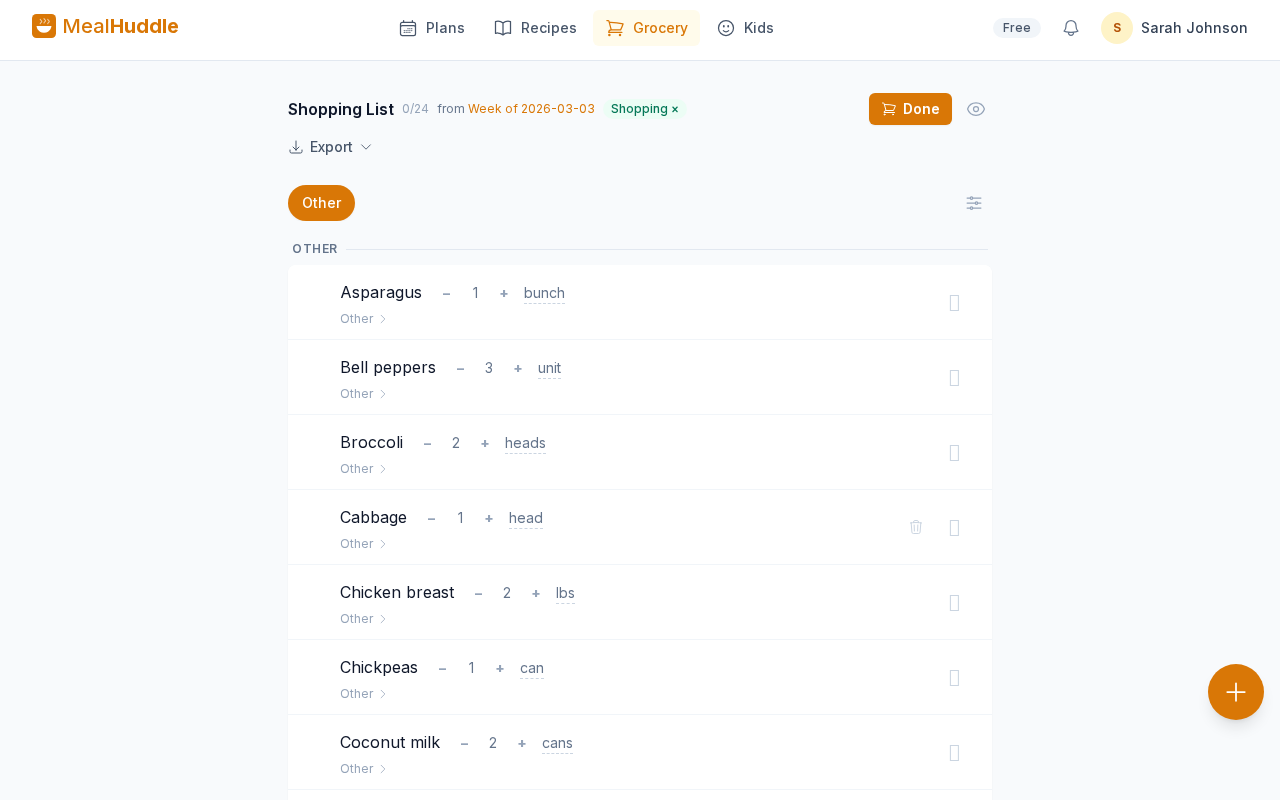
Not sure what belongs on your list beyond this week's recipes? Our complete grocery list covers every pantry staple worth keeping stocked.
The key word is "stick to it." The list only works if you treat it as a commitment, not a suggestion.
7. Minimize Waste Religiously
At the end of the week, look at what's left in your fridge. Anything that's about to go bad? Use it today — in a stir-fry, soup, omelet, or smoothie.
The "use it up" meal should be a weekly tradition. Every Friday (or whatever day works), make dinner from whatever's left. It's creative, it's free, and it keeps your fridge clean.
A Sample Budget Week (~$75 for Two People)
Here's what a realistic budget meal plan looks like:
Monday: Chicken Thigh Stir-Fry Pan-seared chicken thighs with cabbage, carrots, and soy-ginger sauce over rice. Cost: ~$6
Tuesday: Black Bean Tacos Seasoned canned black beans, shredded cabbage, salsa, and cheese in tortillas. Cost: ~$4
Wednesday: Pasta with Meat Sauce Ground beef (or turkey) simmered with canned tomatoes and Italian seasoning, over spaghetti. Cost: ~$6
Thursday: Egg Fried Rice Leftover rice, scrambled eggs, frozen peas and carrots, soy sauce. Cost: ~$3
Friday: Use-It-Up Soup Whatever vegetables are left, canned beans, broth, and seasonings. Served with bread. Cost: ~$4
Total dinners: ~$23. Add in breakfast (oatmeal, eggs, toast: ~$15/week), lunches (leftovers + sandwiches: ~$20/week), and snacks (~$15/week) and you're right around $73.
Where Most People Go Wrong
Trying to eat cheap and eat fancy at the same time. Specialty ingredients, exotic produce, and premium cuts will blow any budget. Save those for special occasions.
Skipping the planning step. You can't eat on a budget without a plan. Winging it at the grocery store is how you end up spending $150 instead of $75. If you're new to planning, our weekly meal planning for beginners guide makes it easy to start.
Buying pre-cut, pre-washed, or pre-seasoned anything. That bag of pre-cut butternut squash costs 3x more than a whole squash. That seasoned chicken costs 2x more than plain. You're paying for labor you can do in 5 minutes.
Ignoring the freezer. Your freezer is a time machine for food. Buy proteins on sale and freeze them. Make double batches and freeze half. Frozen vegetables are just as nutritious as fresh and way cheaper.
Making Budget Meals Satisfying
Cheap food doesn't have to taste cheap. A few tricks:
- Season generously. Spices are cheap per-use and turn bland ingredients into something you crave.
- Add acid. A squeeze of lemon or lime, a splash of vinegar, or a spoonful of salsa brightens any dish.
- Use fat wisely. A drizzle of good olive oil or a pat of butter makes simple food taste rich.
- Toast and roast. Roasted vegetables taste infinitely better than steamed. Toasted bread is more satisfying than plain.
Start This Week
Pick 5 dinners from ingredients you already have or can buy cheaply. Write your list. Shop once. Cook at home every night.
Track what you spend. After one week, you'll see the difference. After a month, you'll wonder why you ever spent $200 on groceries.
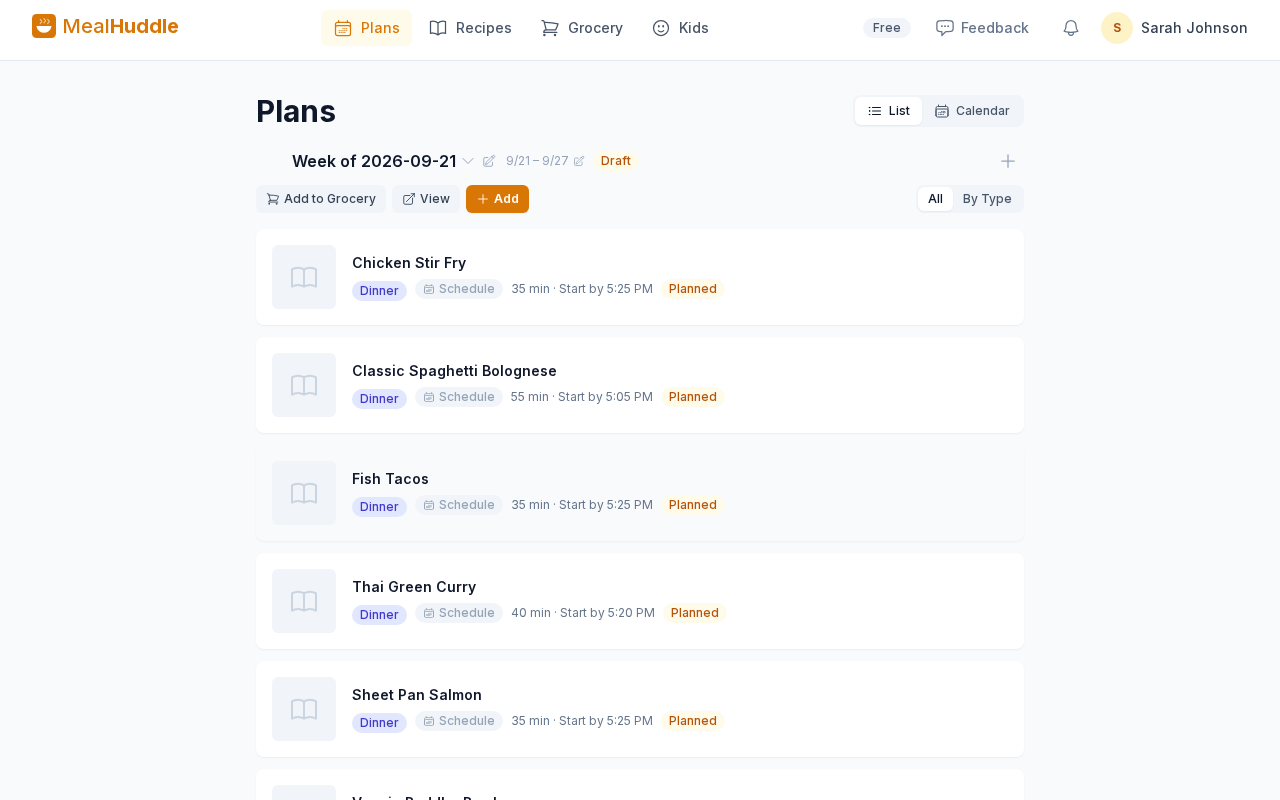
And if you want help building meal plans and grocery lists that fit your budget, MealHuddle makes it easy. Plan meals, track ingredients, and generate shopping lists — so you spend less time planning and more time enjoying dinner.